

The wildebeest migration in Masai Mara is widely regarded as one of the most extraordinary wildlife events on the planet. Each year, over 1.5 million wildebeest, accompanied by hundreds of thousands of zebras and gazelles, embark on a continuous journey across the plains of Kenya and Tanzania in search of fresh grazing and water. This cyclical movement, often called the Great Migration, is not just a testament to the endurance of wildlife but also an intricate ecological phenomenon that sustains the savannah ecosystem.
Timing and Route of the Migration
The Masai Mara, located in southwestern Kenya, serves as the northernmost part of this vast migratory route. The migration follows a clockwise loop between Tanzania’s Serengeti National Park and Kenya’s Masai Mara, covering approximately 1,800 miles (2,900 km) annually. Typically, the wildebeest migration in Masai Mara arrive in the Masai Mara between July and October, coinciding with the dry season in Tanzania, when food and water resources in the Serengeti become scarce. This seasonal influx transforms the Mara into a bustling wildlife corridor, attracting predators and tourists alike.
 Ecological Importance
The migration is more than a visual spectacle—it plays a critical role in the ecological balance of the region. Grazing by wildebeest helps maintain the grassland ecosystem, preventing bush encroachment and promoting nutrient cycling. Their movement also affects predator populations. Lions, cheetahs, hyenas, and crocodiles rely on the abundance of prey during this period, creating a dynamic food web that demonstrates the interdependence of species. Moreover, the migration contributes to soil fertility, as the droppings of thousands of herbivores enrich the savannah with essential nutrients.
River Crossings: The Drama Unfolds
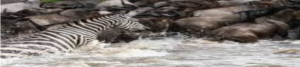
One of the most iconic moments of the migration is the perilous crossing of rivers, particularly the Mara River. These crossings, occurring mainly from July to September, are fraught with danger. Crocodiles lie in wait, while strong currents challenge the stamina of the migrating herds. The river crossings are dramatic displays of survival, where the sheer number of wildebeest can overwhelm obstacles, yet many succumb to natural hazards. These crossings are a photographer’s dream and a symbol of the harsh realities of the natural world.
Human Interaction and Tourism
The migration has also become a cornerstone of Kenya’s wildlife tourism industry. The Masai Mara attracts thousands of visitors each year, eager to witness the grandeur of the migrating herds. Guided safaris offer tourists opportunities to observe predator-prey interactions, river crossings, and the rolling expanse of wildebeest grazing the savannah. Responsible tourism initiatives have been implemented to minimize human impact on wildlife, ensuring that this natural phenomenon remains sustainable for generations to come.
Challenges and Conservation
Despite its seeming abundance, the Great Migration faces significant challenges. Habitat fragmentation, climate change, and illegal hunting pose risks to the delicate migratory patterns. Efforts by conservation organizations, local communities, and the Kenyan government aim to safeguard the migration route. Maintaining corridors between the Serengeti and Masai Mara is crucial, as disruption in one area can have cascading effects on the entire ecosystem.
Conclusion
The wildebeest migration in Masai Mara is more than a seasonal movement—it is a living spectacle of endurance, survival, and ecological harmony. From the vast rolling plains to the treacherous river crossings, the journey of the wildebeest reflects the resilience of nature and the interconnectedness of life on the savannah. For those fortunate enough to witness it, the Great Migration offers an unforgettable glimpse into the power and beauty of the natural world. Protecting this natural wonder ensures that future generations can continue to marvel at one of the greatest wildlife spectacles on Earth.
